
5 Non-Academic Things High School Students Can Do Now to Get Ready for College

World Mental Health Day is October 10: The transition to college is one of the most significant mental health moments in a young person’s life. This year, we are honoring it by talking about what students can do now to arrive prepared.
College readiness is about more than GPA and test scores. The students who thrive in college are often the ones who have learned to manage their time, advocate for themselves, tolerate discomfort, make self-care a priority, and ask for help before they are overwhelmed. These skills can be built in high school, and they often make a bigger difference than students and families expect.
The Part of College Prep Nobody Talks About
This World Mental Health Day, we are thinking about a group that often gets overlooked in the mental health conversation: high school students preparing for one of the biggest transitions of their lives.
As a clinical psychologist who works with adolescents, I spend a lot of time talking with students and parents about the transition to college. Understandably, much of the preparation during high school focuses on academics: grades, standardized tests, applications, extracurricular activities, and choosing the right school. However, academic preparation is only one part of being ready for college.
In my work with teens and young adults, the challenges that can derail students once they arrive on campus are often much more practical and emotional. Suddenly, students have significantly more freedom and considerably less structure. They have to manage their own schedules, solve everyday problems, navigate relationships, take care of themselves, and recognize when they need help. A student can be exceptionally well prepared academically and still struggle with this transition. The good news is that these skills don’t have to wait until move-in day. High school gives students an opportunity to practice independence while they still have support nearby.
Five Skills That Prepare You for College Life
1. Learn to Manage Your Own Schedule
High school tends to provide a great deal of built-in structure. Students generally know where they need to be throughout the day, teachers frequently remind them about deadlines, and parents may help keep track of practices, appointments, assignments, and other commitments.
College is different. Students may have only a few classes on a given day, with large blocks of seemingly “free” time in between. Professors may provide a syllabus at the beginning of the semester and expect students to keep track of assignments and exams themselves.
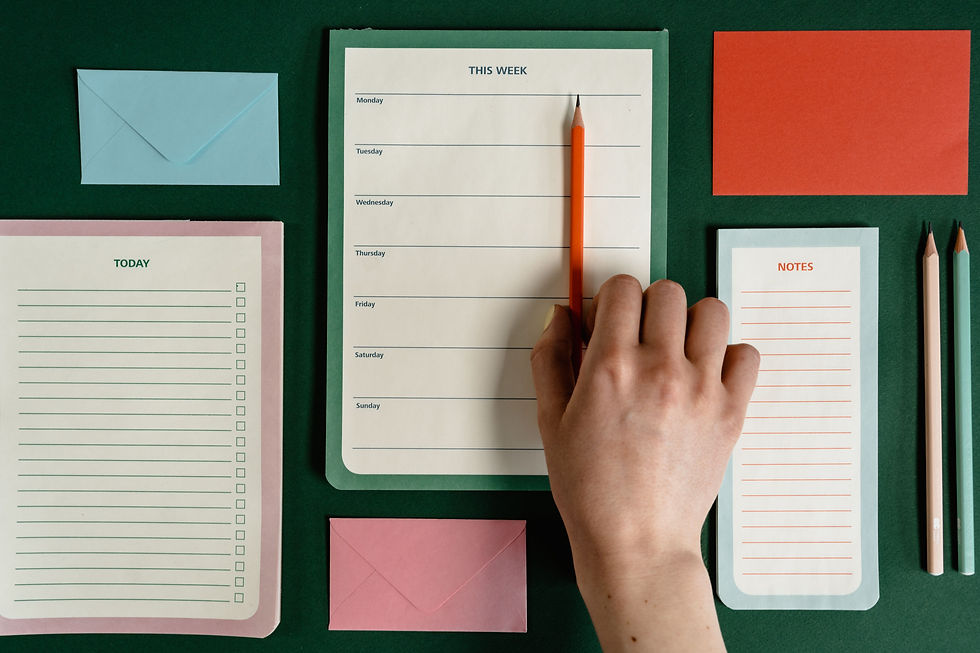
Here are some ways to start practicing now: use a calendar, planner, or scheduling app and take responsibility for entering your own commitments. Look at the week ahead and decide when you’ll complete assignments, exercise, see friends, and take care of other responsibilities. The goal isn’t to create a perfectly organized schedule. It’s to develop the habit of thinking ahead and managing your time without relying on someone else to remind you.
2. Practice Solving Problems on Your Own
College students encounter countless small problems that previously may have been handled by an adult. A prescription needs to be refilled. A roommate is being difficult. A professor needs to be contacted. Transportation falls through. An appointment needs to be scheduled. These situations may seem minor, but learning how to navigate them independently is an important part of becoming confident and capable.
High school students can start practicing by making their own appointments, emailing a teacher when they have a question, figuring out transportation, resolving minor conflicts, or asking for information themselves rather than having a parent do it for them. Parents can help by resisting the understandable urge to immediately fix every problem. Instead, try asking, “What do you think you could do?” or “What’s your first step?” Independence doesn’t mean never asking for help. It means developing confidence that you can take the first step toward solving a problem and knowing when you need additional support.
3. Develop Healthy Habits
College can disrupt even the healthiest routines. Sleep schedules change. Meals become less predictable. Exercise may fall by the wayside. Social activities, academic demands, and newfound independence can make self-care feel optional. It shouldn’t be. Sleep, movement, nutrition, and stress management all play an important role in emotional well-being and a student’s ability to function effectively. Waiting until college to develop these habits can make an already significant transition more difficult.
High school is a good time to establish a few realistic routines. Prioritize getting enough sleep and maintaining a reasonably consistent sleep schedule. Find a form of physical activity you actually enjoy rather than something you feel you “should” do. Learn what helps you decompress when you’re stressed. Healthy habits don’t have to be perfect to be protective. Consistency matters more than perfection.

4. Strengthen Communication Skills
College requires students to communicate for themselves in ways they may not have needed to before. If you’re confused about an assignment, you may need to approach a professor during office hours. If you’re struggling academically, you’ll need to contact a tutor or academic advisor. If there’s tension with a roommate, you may have to address it directly rather than hoping it disappears.
These interactions can feel uncomfortable, especially for students who are shy, anxious, or accustomed to having a parent advocate for them. Practice now by asking teachers questions yourself, writing your own emails, speaking up when something isn’t working, and having difficult but respectful conversations. Being a strong communicator doesn’t mean always knowing exactly what to say. It means being willing to initiate a conversation, express what you need, listen to another person’s perspective, and ask for help when necessary.
5. Get Comfortable with Discomfort
This may be one of the most important, and most overlooked, skills students can develop before college. College involves discomfort. You may feel homesick. You might walk into an event where you don’t know anyone. You may receive a disappointing grade, experience rejection, have conflict with a roommate, or wonder whether you’ve chosen the right school or major. Feeling uncomfortable doesn’t necessarily mean something has gone wrong.
Anxiety often encourages us to avoid situations that feel uncertain or difficult. Avoidance can bring immediate relief, but over time it can make unfamiliar situations feel even more intimidating. Learning to tolerate manageable discomfort gives students an opportunity to discover that they can handle more than they initially thought. Start small. Go somewhere without knowing exactly who will be there. Introduce yourself to someone new. Ask a question even if you’re worried it might sound silly. Try an activity you’re not immediately good at. Allow yourself to make a mistake without rushing to escape or fix the feeling that follows.
For students who experience significant anxiety or avoidance, support from a therapist can also help them gradually build these skills and develop strategies for managing uncomfortable emotions.
What Parents Can Do to Help
For parents, preparing a teenager for independence can require a shift as well. One of the most valuable things parents can do during high school is gradually move from managing their teenager’s life to coaching them through it. Rather than immediately solving a problem, help your teen think through possible solutions. Instead of sending the email, help them figure out what they want to say. Rather than keeping track of every deadline, allow them to develop their own system. Think of this as scaffolding rather than rescuing. You’re still available, but your role increasingly becomes providing support while your teenager does the work
There will, of course, be situations when parents need to step in, particularly when health or safety is involved. But everyday challenges provide valuable opportunities for teenagers to build confidence while the stakes are still relatively low.
Preparing for More Than the Classroom
College readiness is whole-person preparation. Strong grades may help students get into college, but skills like independence, communication, self-care, problem-solving, and resilience can help them navigate what happens once they get there. Students don’t need to master all of these skills before graduation. College itself is a time of tremendous growth. The goal is simply to start practicing now.
Each time a teenager handles an uncomfortable conversation, manages their own schedule, solves a problem, or asks for help, they’re building confidence that they can navigate challenges independently, and that confidence may be one of the most valuable things they bring with them to college.
If your teen is struggling with anxiety, avoidance, or the transition ahead, working with a therapist can provide additional support and help them develop the skills they’ll need for this next stage. Feel free to submit an inquiry if you feel your teen could use support before or during the college transition.


